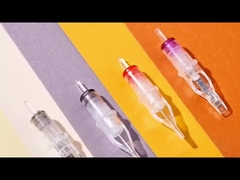
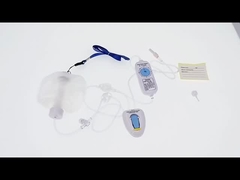
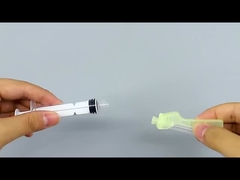
Brief: Follow along for a hands-on demonstration that highlights performance points of the Multifunctional Crystal Multi-Needle 5-Pin for Skin Injection. This showcase provides a detailed walkthrough of the product's assembly with disposable sterile syringes, demonstrating proper usage techniques for injecting sodium hyaluronate into facial dermis. You'll see the precision components in action and learn about the critical operational protocols for qualified medical professionals.
Related Product Features:
Features a 5-pin multi-needle design for precise dermal injection of sodium hyaluronate.
Constructed with medical-grade materials including polypropylene, polycarbonate, and austenitic stainless steel 304.
Utilizes ethylene oxide sterilization to ensure product sterility and safety.
Includes adjustable knob for controlled injection depth and flow regulation.
Designed for single-use only with proper medical waste disposal protocols.
Compatible with electronic injectors for automated injection procedures.
Features negative pressure suction end with maximum resistance of -650mmHg.
Comes with three-year validity from sterilization date when stored properly.
Faqs:
What materials are used in the construction of this multi-needle device?
The needle seat, fluid guide connector and housing are made from polypropylene special material per YY/T 0242-2007. The rubber injection sleeve uses polycarbonate special material per YY/0806-2010, and the needle tube is constructed from austenitic stainless steel 304 material per GB/18457-2015.
How is this product sterilized and what is its shelf life?
The product undergoes ethylene oxide sterilization and remains sterile for three years from the sterilization date, provided the original packaging remains intact and undamaged.
Who is authorized to use this medical device and where can it be used?
This product can only be operated by qualified medical personnel and is strictly limited to use in medical institutions for injecting sodium hyaluronate into facial dermis.
What safety precautions should be followed during operation?
Operators must be trained medical personnel who carefully read the instruction manual and follow aseptic standards. Avoid injecting into blood vessels, do not use needle tubes longer than 2mm, and ensure negative pressure does not exceed -650mmHg.